In Tuscany, heritage is cultivated in vineyards, tended in olive groves, and carried forward through the knowledge of those who work the land. Across the hills surrounding Montepulciano, one of Italy’s historic wine regions is marking the 400th anniversary of Francesco Redi, the 17th-century physician, scientist, and poet whose writing helped secure Tuscan wine a place in European cultural history.
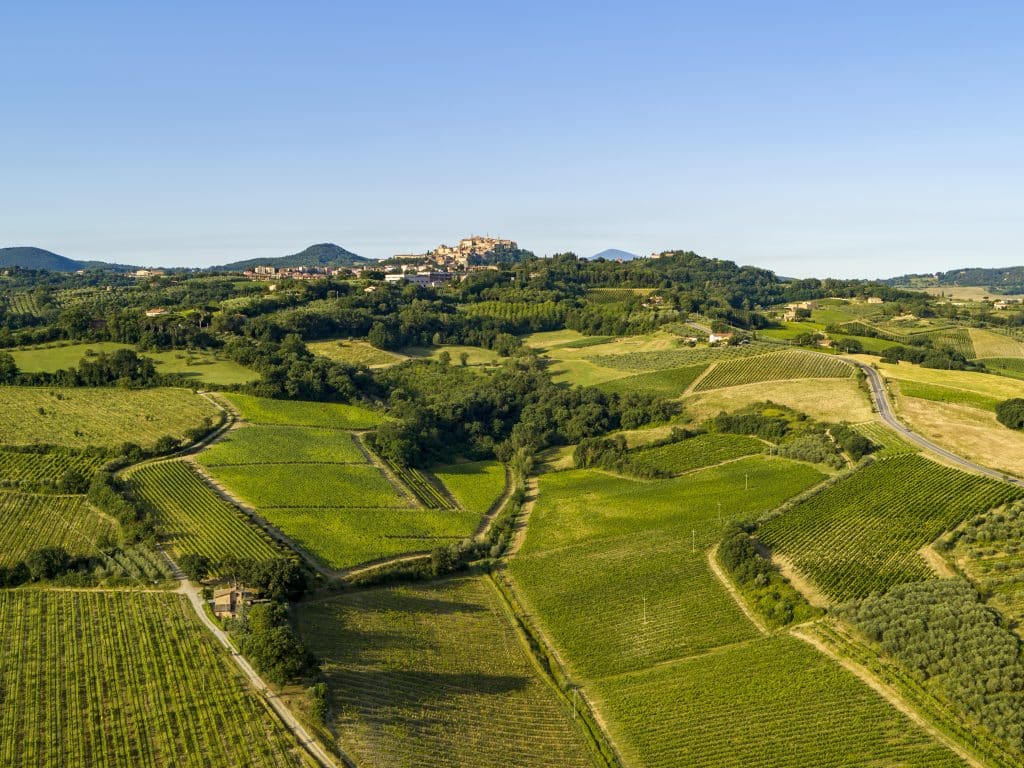
Elsewhere in the region, olive growers are safeguarding traditions that stretch back more than 2,500 years while responding to the practical challenges of farming in a changing climate. Together, these stories reveal how heritage can remain vital without standing still.
Montepulciano’s Enduring Wine Story
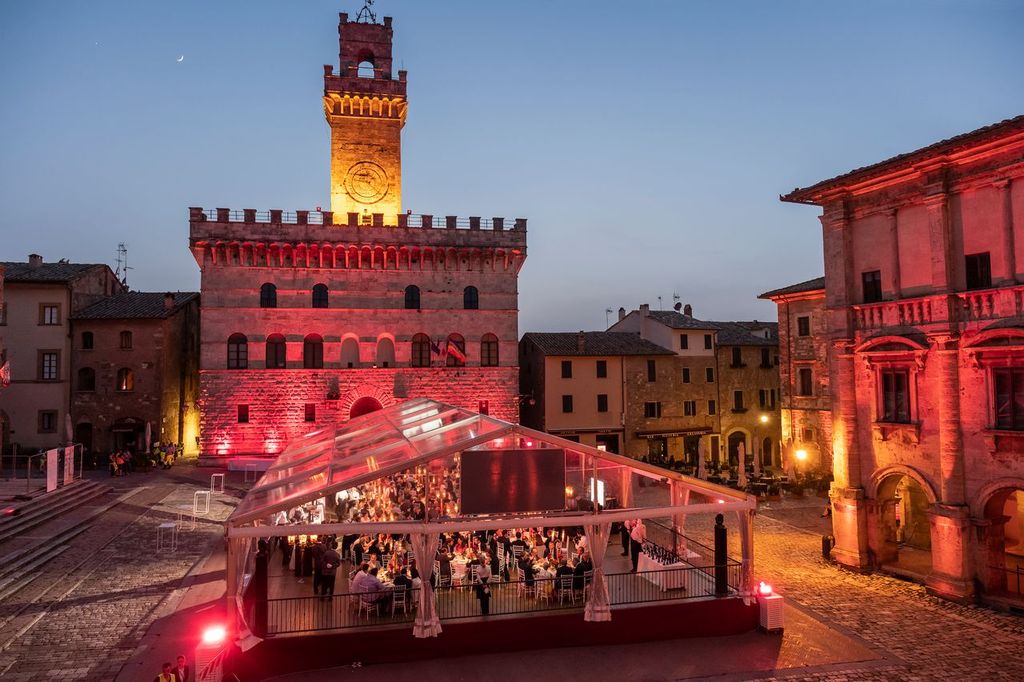
Few wines are as inseparable from their origins as Vino Nobile di Montepulciano DOCG. Produced in the countryside surrounding the hilltop town of Montepulciano, the wine reflects generations of agricultural knowledge and regional identity. Its history is now being considered through the life and words of Francesco Redi, born in 1626 and remembered as both a scientist and a literary figure.
Redi’s poem Bacco in Toscana celebrated the wines of Tuscany and helped establish Montepulciano within a broader cultural conversation. To mark the anniversary of his birth, the Consorzio del Vino Nobile di Montepulciano has organized a program of events, scholarship, and exhibitions continuing through 2027.
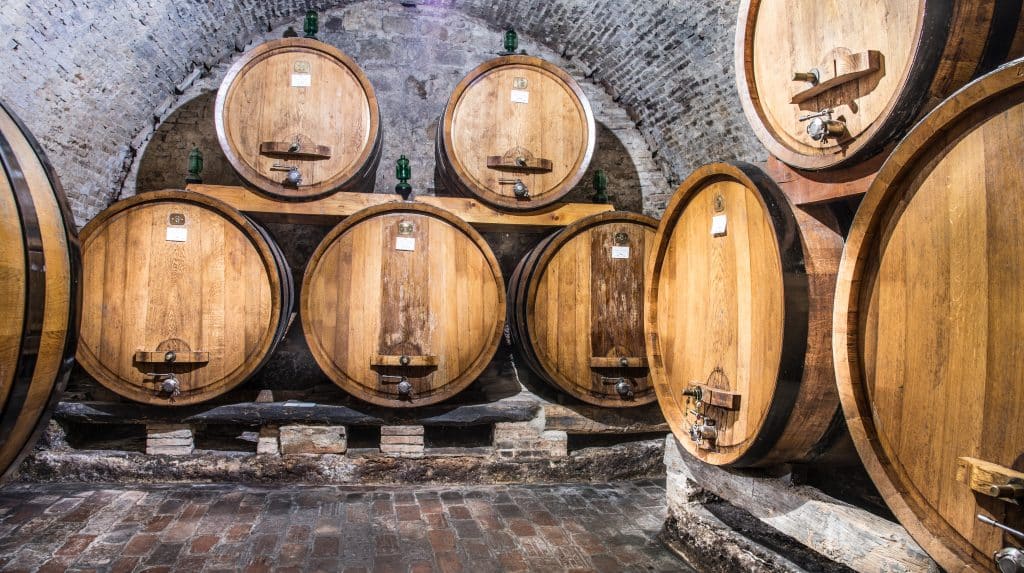
Beyond nostalgia, the commemoration considers how wine can shape the identity of a place, becoming part of its literature, economy, hospitality, and collective memory. That relationship is still visible throughout Montepulciano, where Renaissance palazzi, underground cellars, family-run estates, and vineyard-covered slopes form a landscape in which history remains part of everyday life.
A Wine That Crossed the Atlantic
Vino Nobile di Montepulciano found admirers beyond Europe long before wine tourism became an established way of travelling. Among them was Thomas Jefferson, who ordered the wine and included it among the European selections he appreciated. That connection is explored by Francesco Clementi and Antonio Gaudioso in The Taste of Freedom: Thomas Jefferson, Vino Nobile di Montepulciano and the Birth of the United States.
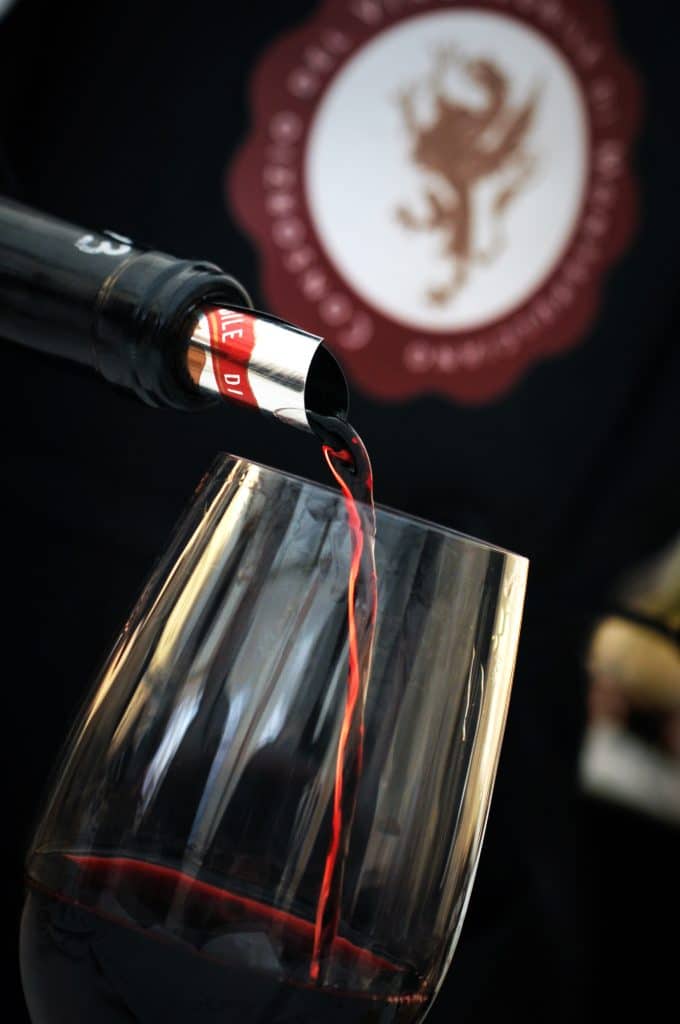
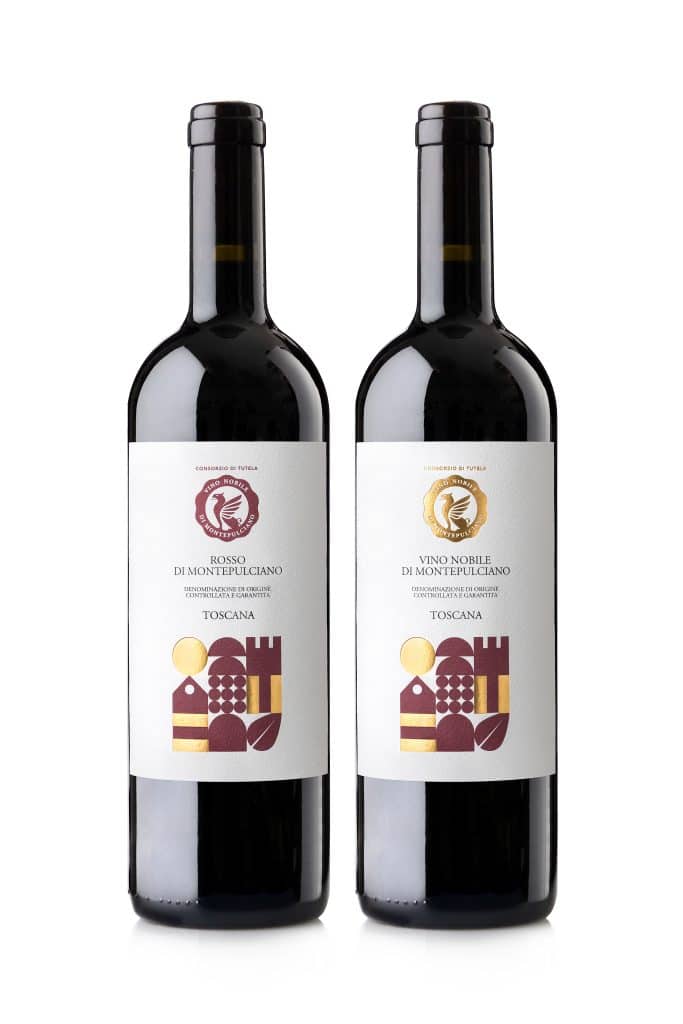
The book uses wine to examine the movement of ideas, customs, and tastes between Europe and North America. It also suggests that the contents of a cellar can offer an unexpectedly intimate view of history, since what people chose to pour reflected curiosity, aspiration, and an expanding awareness of the world beyond their own borders. Centuries later, wine continues to provide that connection, conveying the character of its landscape while carrying stories that extend far beyond it.
The Ancient Landscape of Olive Oil
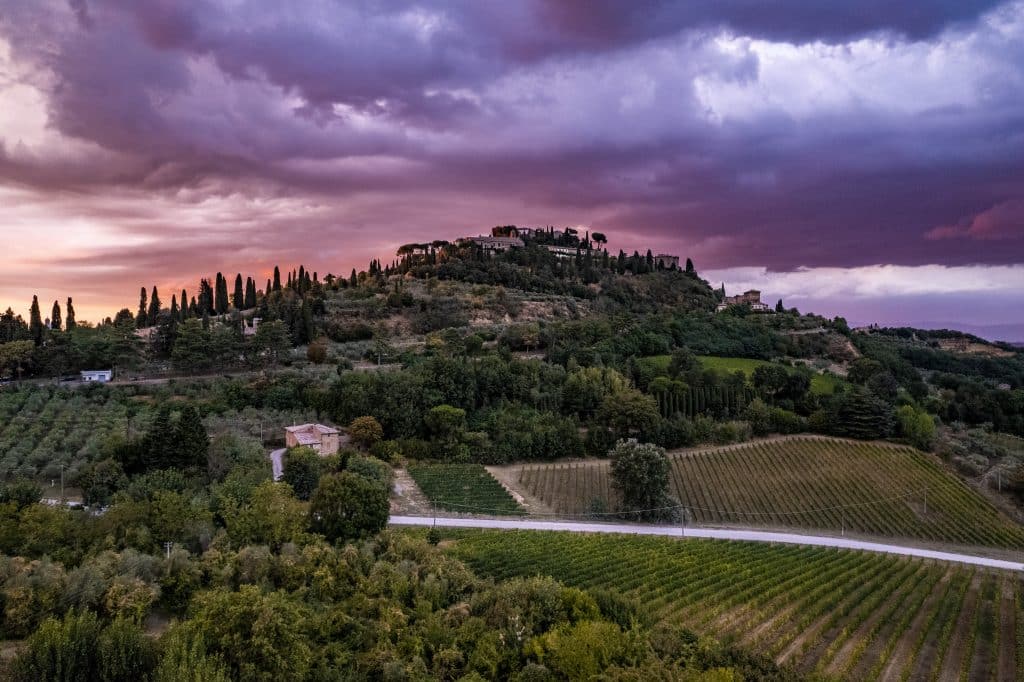
If wine represents one strand of Tuscany’s agricultural identity, olive oil reaches even further into the region’s past. Olive cultivation in the Italian peninsula dates to ancient civilizations, when oil was valued as food, a trade good, and an essential household product. Over time, olive groves became a defining feature of the Mediterranean landscape and a repository for agricultural knowledge passed between generations.
Today, Tuscan growers are preserving that legacy while confronting climate change, water management, biodiversity loss, and rising production costs. Through research, technical guidance, and grower support, the Associazione Produttori Olivicoli Toscani works with producers of Tuscan PDO and PGI extra virgin olive oils to help established practices evolve.
The familiar groves may appear timeless, yet their continuation depends on constant attention. Preserving them means protecting biodiversity and rural livelihoods while giving growers the tools to remain economically and environmentally resilient.
What a Label Can Reveal
European designation systems give formal recognition to this relationship between product and place. The European Union’s Protected Designation of Origin and Protected Geographical Indication schemes identify agricultural products whose characteristics or reputations are connected to a specific region. Beyond confirming origin, the labels invite closer attention to the landscapes, methods, and communities behind what is poured at the table. That idea sits at the centre of Savor Quality from Europe, a three-year campaign co-funded by the European Union and focused on Vino Nobile di Montepulciano and Tuscan extra virgin olive oil for audiences in Canada and the United States.
In Tuscany, the most enduring traditions remain alive because they continue to adapt. Wine and olive oil belong to the present, shaped by memory and sustained through knowledge, care, and change.
Author Profile

- Vlad Xanthopoulos is the Vices Ambassador at Folio.YVR, host of Cocktails & Cigars, and contributor. A connoisseur of fine cigars and craft cocktails, Vlad explores the art, culture, and stories behind these indulgences. His passion for tradition and refined living elevate Vancouver Vices for Folio.YVR Luxury Lifestyle Magazine.
Latest entries
 FoF ☆ Global LuxuryOctober 21, 2026Tuscany’s Living Legacy: Wine, Olive Oil And The Art Of Preservation
 FoF ☆ Culinary, Wine, SpiritsMay 21, 2026Vancouver’s Best Bars and the Memories Nobody Ranked
 FoF ☆ Tech & ToysApril 2, 2026ELEVATE: Vancouver International Auto Show 2026 Breaks Records — Again
 FoF ☆ Culinary, Wine, SpiritsApril 2, 2026Glenfiddich Spring Cocktails — Three Serves for the Long Days Ahead