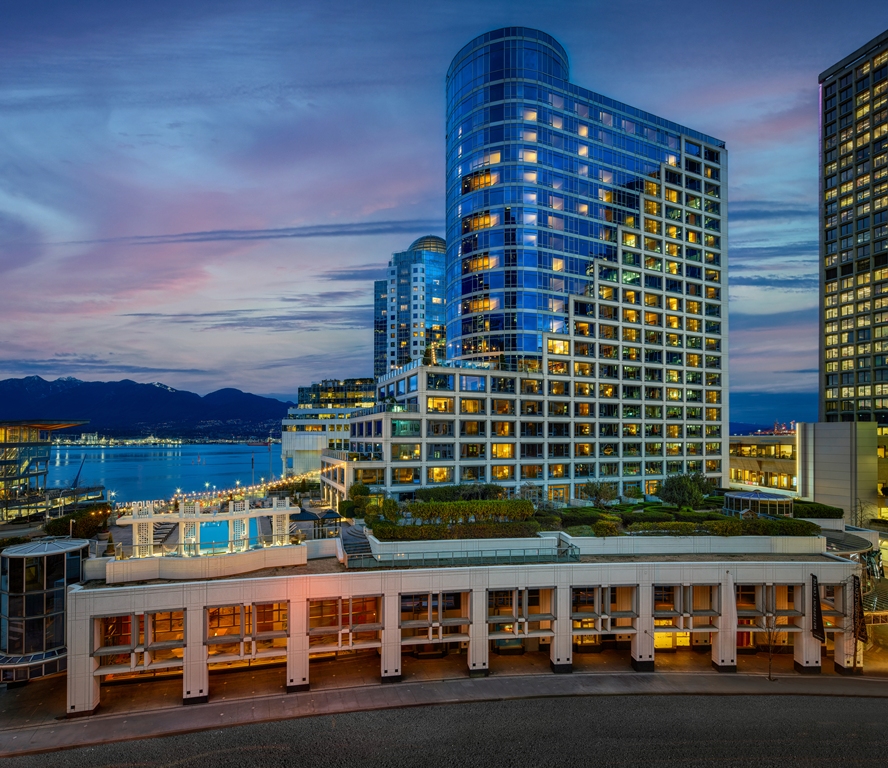
On the rooftop of the Fairmont Waterfront Hotel, an extraordinary world of pollinators thrives high above Vancouver’s harbour. What began as an effort to support urban sustainability has evolved into one of the most inspiring rooftop gardens in the city, alive with the soft hum of thousands of honeybees and solitary mason bees.
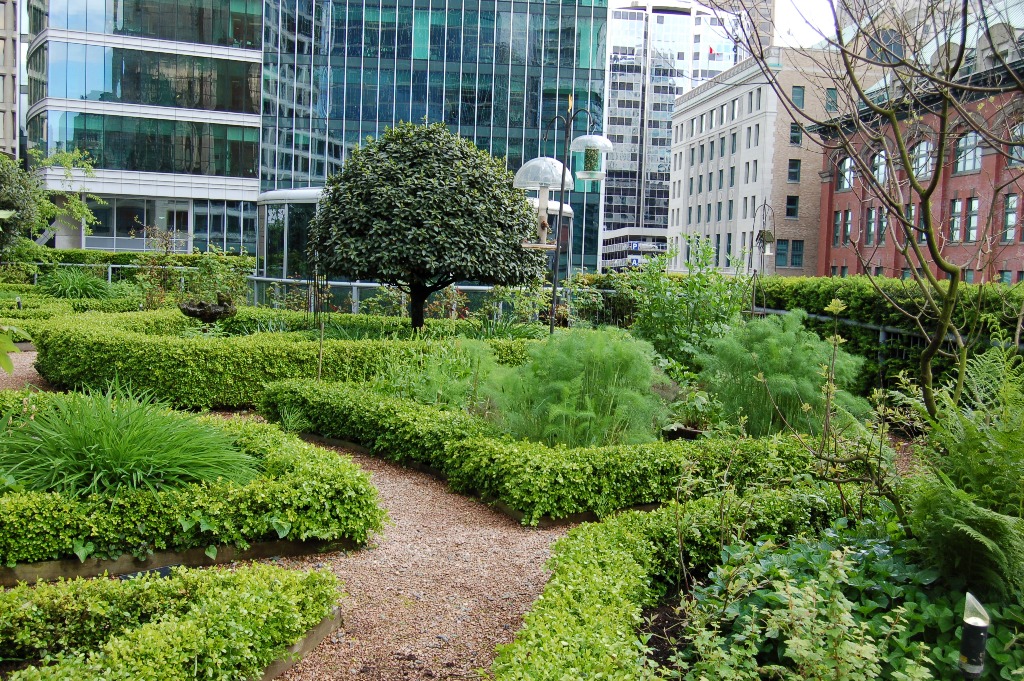
Each summer, guests are invited to step inside this hidden haven through the hotel’s daily Bee Tours. Guided by a member of the dedicated Bee Team led by Chief Beekeeper Julia Common, visitors don protective veils and venture into the apiary to witness bees at work in the observation hive. Here, you can watch the colony build honeycomb and, with a little luck, catch a glimpse of the Queen Bee herself. The experience is both educational and eye-opening, illuminating the vital role pollinators play in our global ecosystem.
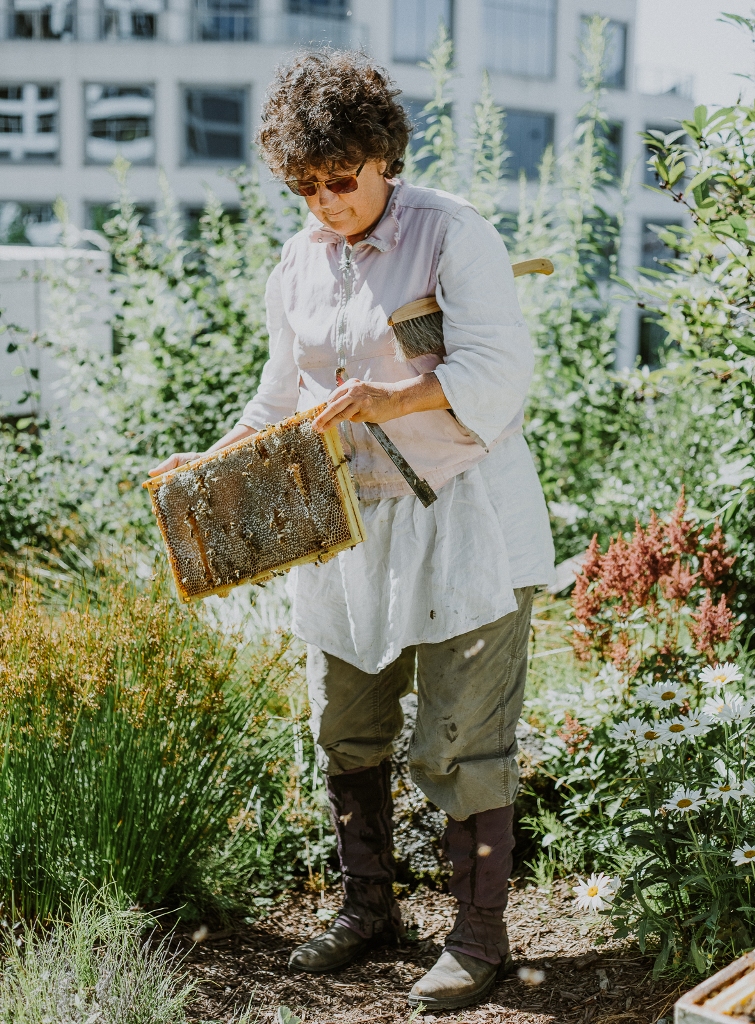
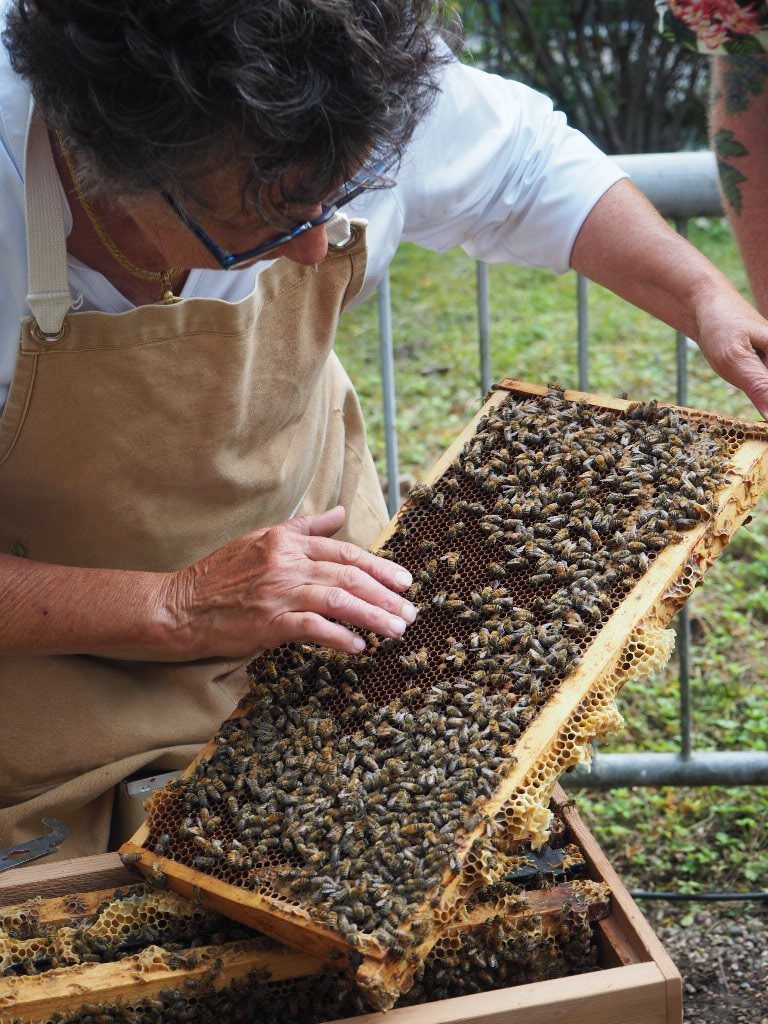
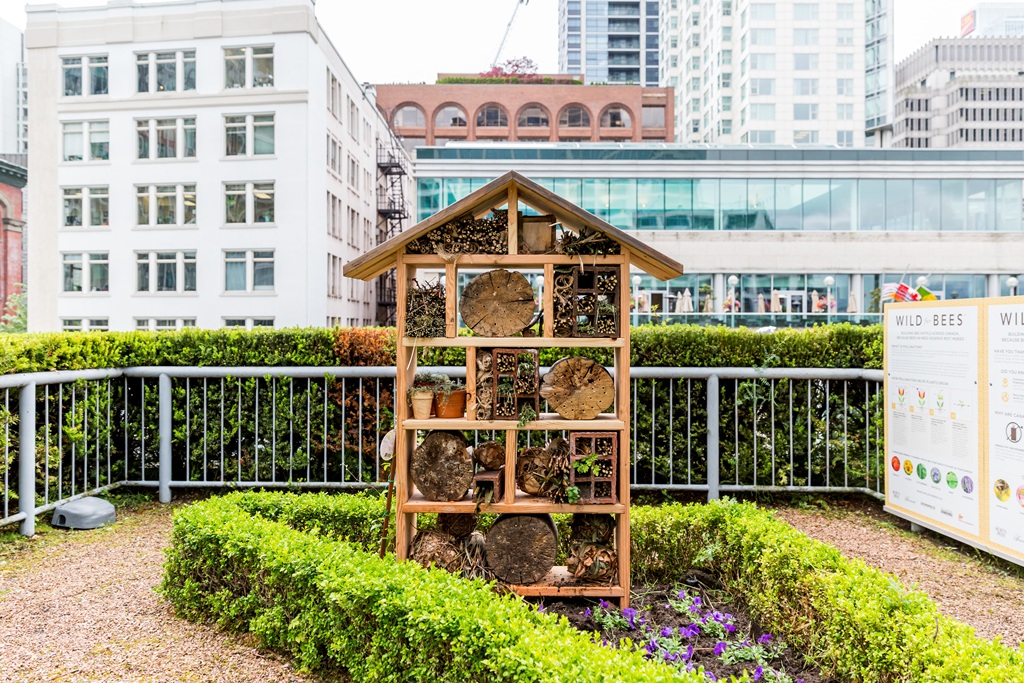
Beyond honeybees, the hotel’s Pollinator Hotel, affectionately called “the Bee & Bee,” is a sanctuary for native species. Built in collaboration with Hives for Humanity, each element of the Bee & Bee tells a story: salvaged fire bricks from the Downtown Eastside, logs gifted from Stanley Park, and bumblebee nests handwoven by volunteers. Since 2014, Fairmont Waterfront has installed 23 mason bee houses across Vancouver as part of the Pollinator Corridor Project, a national initiative in partnership with Burt’s Bees Canada and Sustainable.TO Architecture + Building.
Since 2014, Fairmont Waterfront has installed 23 mason bee houses across Vancouver as part of the Pollinator Corridor Project, a national initiative.
2014 also marked the arrival of mason bees to the garden in an exciting collaboration with Hives for Humanity. As part of this inspiring project, the Fairmont Waterfront became the first hotel in Canada to host solitary bees, further enriching the diversity of pollinators within the city’s green spaces.
Rooftop apiaries, such as the one thriving atop the Fairmont Waterfront, play a significant role in strengthening the urban ecosystem by supporting healthy pollinator populations in the heart of the city.
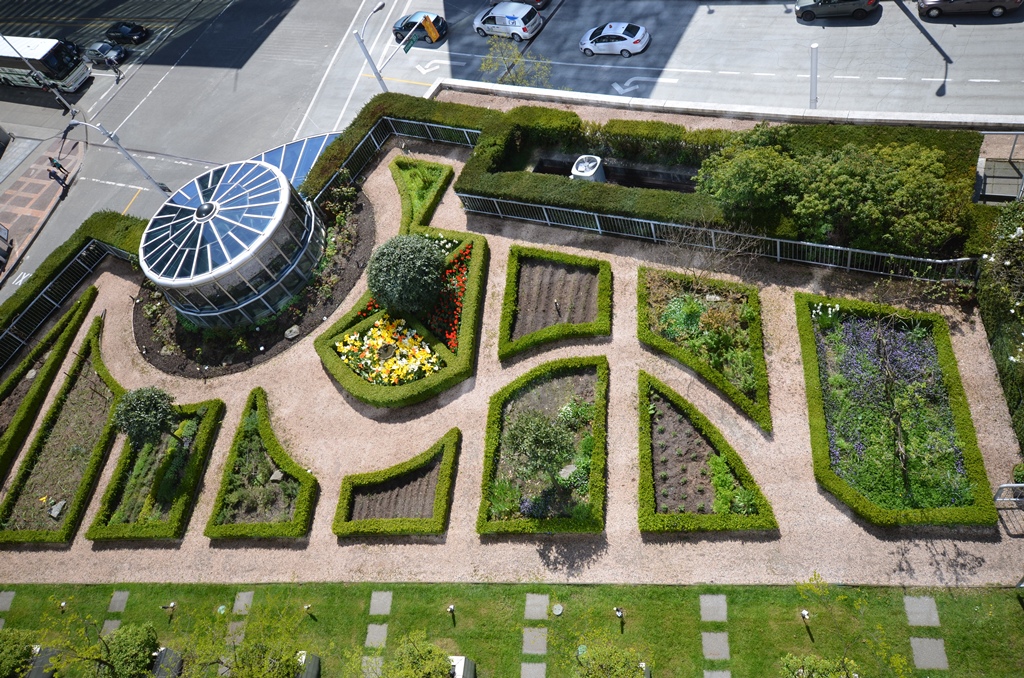
These hives help sustain green spaces and gardens, ensuring native plants, trees, and flowers continue to flourish and contribute to local biodiversity. By producing honey and honey combs right on-site, rooftop apiaries also give culinary programs direct access to fresh, hyper-local ingredients, reducing the carbon footprint associated with transporting products from outside suppliers.
This sustainable approach not only enriches the hotel’s menus with unique, seasonal flavours but also educates guests and the community about the critical role pollinators play in maintaining a balanced environment. More than a rooftop garden, this apiary is a testament to community, sustainability, and the delicate wonder of the natural world.
Author Profile

- Helen Siwak is the founder of EcoLuxLuv Communications & Marketing Inc and publisher of Folio.YVR Luxury Lifestyle Magazine and PORTFOLIOY.YVR Business & Entrepreneurs Magazine. She is a prolific content creator, consultant, and marketing and media strategist within the ecoluxury and luxury lifestyle niches. Helen is the west coast correspondent to Canada’s top-read business magazine Retail-Insider, holds a vast freelance portfolio, and is an EIC for Hire. Connect with her here: [email protected].
Latest entries
 FoF ☆ Arts & CultureSeptember 2, 2026A Veteran and a Rising Talent Share the Walls at Kostuik Gallery
 ☆ Issue #42 - July/August 2026August 29, 2026Phyllis & Shelby Lui Mark Twenty Years
 ☆ Issue #42 - July/August 2026August 29, 2026Luigi Ronchi: The Quiet Power Behind Vancouver’s Most Transformational Gifts
 ☆ Issue #42 - July/August 2026August 29, 2026CELEBRATE: Paradise Events Inc Presents Gavin & Wendy