Once you step aboard Riverside Luxury Cruises ‘The Debussy,’ the ship handles the logistics. What follows is what happens when it does — three excursions drawn from a single itinerary that illustrate, without much argument required, why river cruising through Europe has become the preferred mode of travel for those who would rather spend their energy on the experience than the administration of it.
WHERE THE FIELDS BEGIN
The coach through South Holland’s flat, wide-open terrain passes field after striped field of red, yellow, and white well before the gardens themselves appear. For guests aboard The Debussy, the day’s excursion departed from Arnhem — a luxury coach threading through the Bollenstreek, the bulb region that anchors this part of the Netherlands with an agricultural identity so deeply embedded it reads less like farming and more like character. The return pickup would come later, from Nijmegen, closing the loop on a full day structured around contrast.
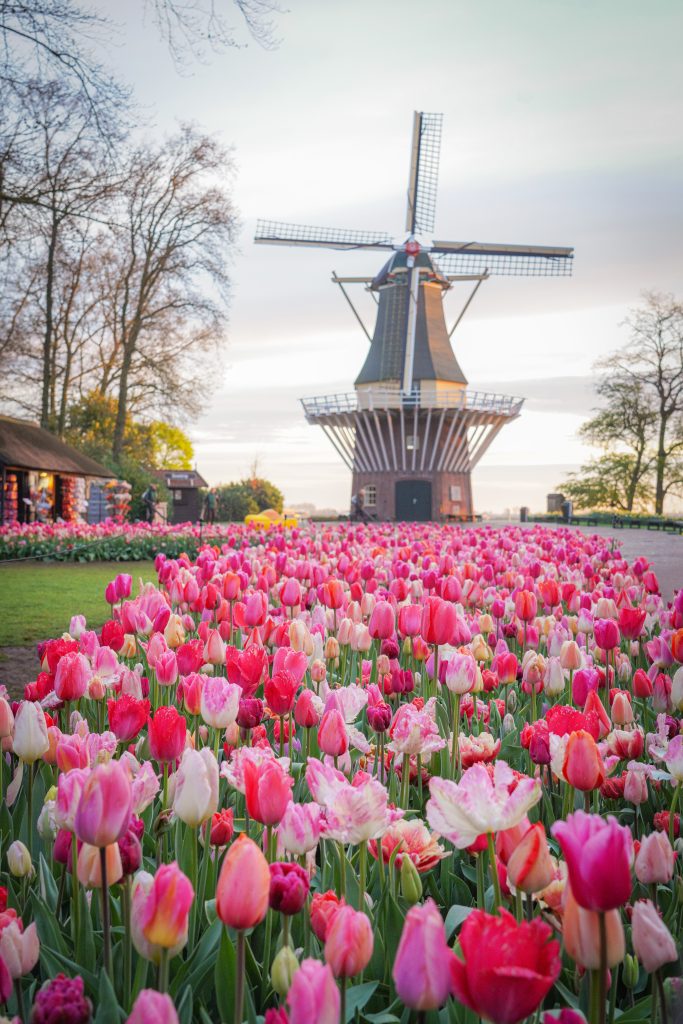
Keukenhof Gardens opens for fewer than eight weeks each year. Thirty-two hectares of it, planted with seven million bulbs, earns its reputation not through spectacle alone but through sheer, considered abundance. Pathways wind between beds of tulips, hyacinths, daffodils, and narcissi arranged with a precision that still manages to feel natural. Whisper boats drift through the canals. The pavilions draw visitors inward with rotating floral exhibitions that shift with the season.
What arrives first is not colour. It is fragrance. The sweet, faintly honeyed weight of hyacinths reaches you before the blooms fully come into view, mingling with wet earth and open sky in a combination that is specifically, unmistakably Dutch spring — the kind of morning where the clouds move quickly and the light shifts without warning. Tulipa turkestanica and Tulipa tarda grow low across the borders in small, starlike forms, their delicate structures easy to overlook until you slow down enough to notice the quiet intricacy at your feet. Above them, the larger varieties move in waves of coral, violet, cream, and flame — an overwhelming expression of colour that somehow never tips into excess.
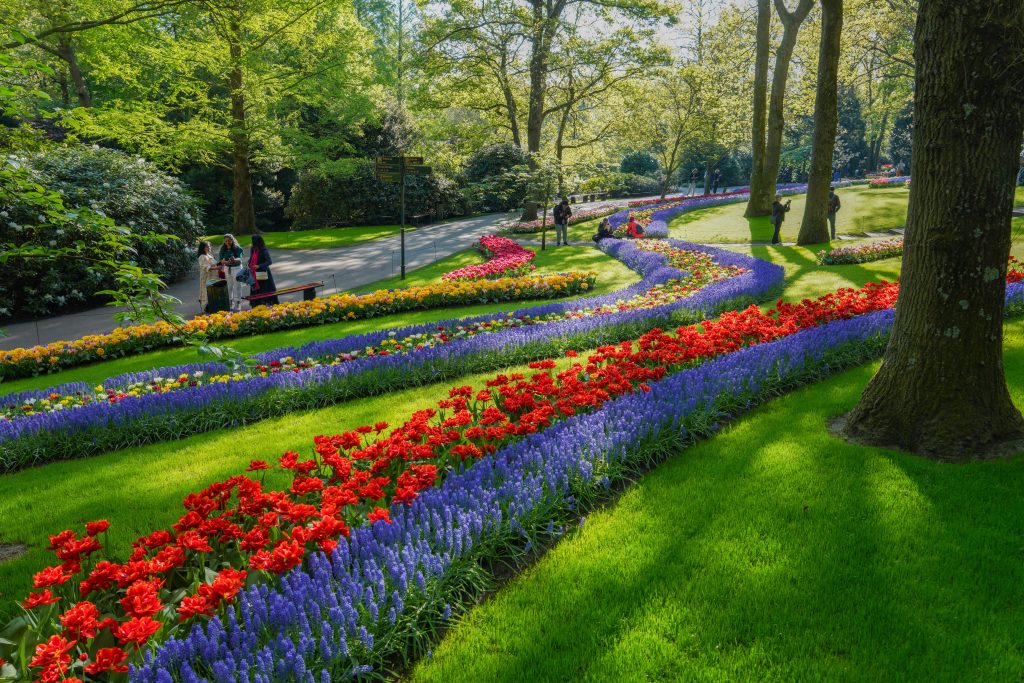
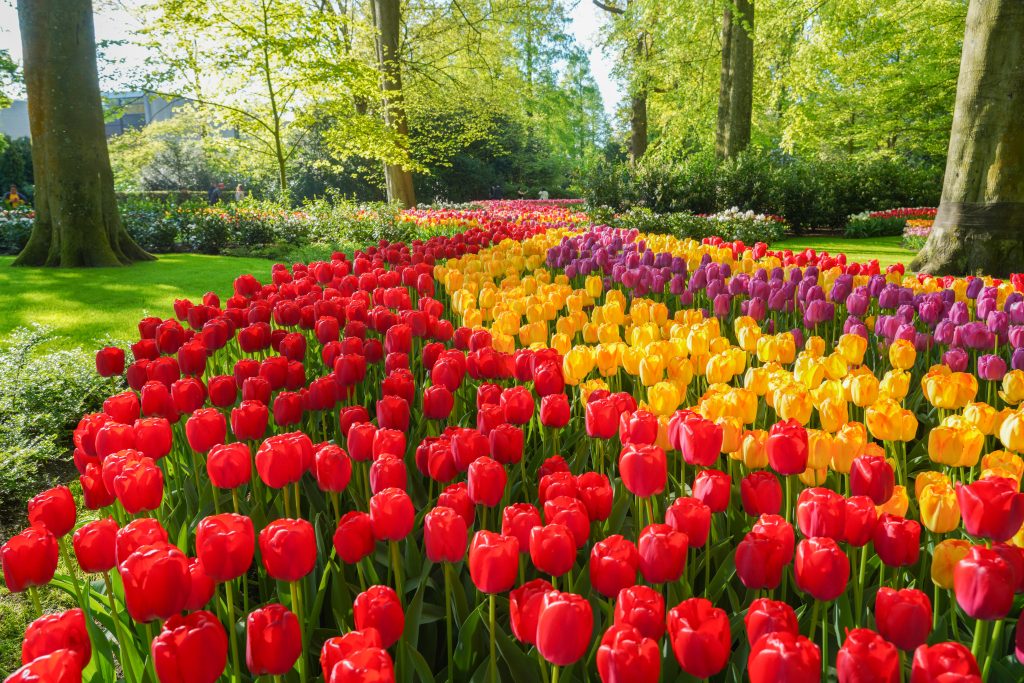
What makes Keukenhof resonate with those who travel with intention is the sense that you are witnessing something genuinely transient. Every bloom is, in its own way, a small deadline — one that makes the hours spent here feel worth protecting.
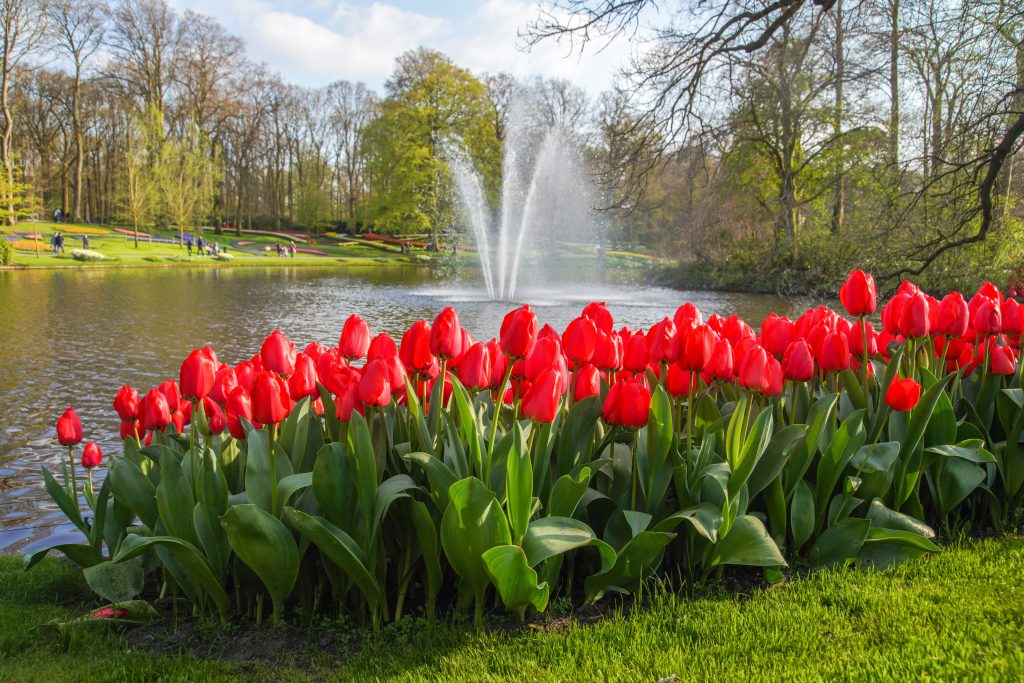
By early afternoon, the group made its way into Lisse — a town of roughly 23,000 that has no particular interest in performing for visitors. The streets are unhurried. Independent cafes and boutiques line the centre, and the Museumhuis Lisse offers a considered look at the town’s deep connection to the flower trade with the kind of specificity that makes history feel like identity rather than curriculum. Locals move through their day entirely unconcerned with tulip season timelines, which is precisely what makes time spent here feel earned rather than curated. Back aboard The Debussy in time for dinner, the conversation at the table returned, more than once, to the fields.
WHERE THE LAND LEARNED TO BREATHE
The coach from Rotterdam deposits you at Kinderdijk without preamble — and then the landscape simply takes over.
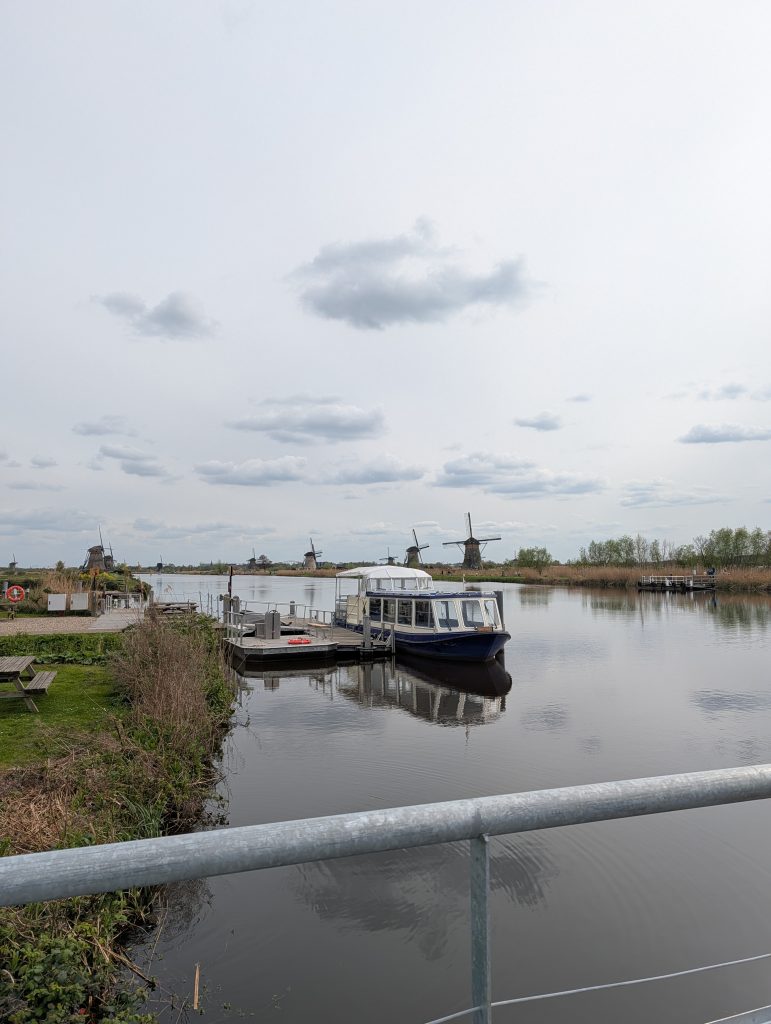
Nineteen windmills, built in the 1730s, line the canal path in a procession that is almost unreasonably cinematic. Jacob van Ruisdael captured this scene in his 1670 masterwork, The Windmill at Wijk bij Duurstede, and the fact that you can stand inside that composition more than three and a half centuries later is the kind of detail that earns a long pause. Before the windmills even come into view, the local guide has already begun to reframe the landscape — explaining how the ground beneath these fields sits below sea level, how the rivers bordering this village have been in negotiation with human survival for the better part of a thousand years.
The mills are not relics behind glass. They are a functioning system of dikes, pumping stations, and waterways — a UNESCO World Heritage Site designated in 1997 and recognized as much for its engineering as its architecture. Eighteen of the nineteen are still home to working families. The polders surrounding them were reclaimed from the sea, grassland carved out from water and held in place by dikes and ingenuity across centuries of unrelenting effort.
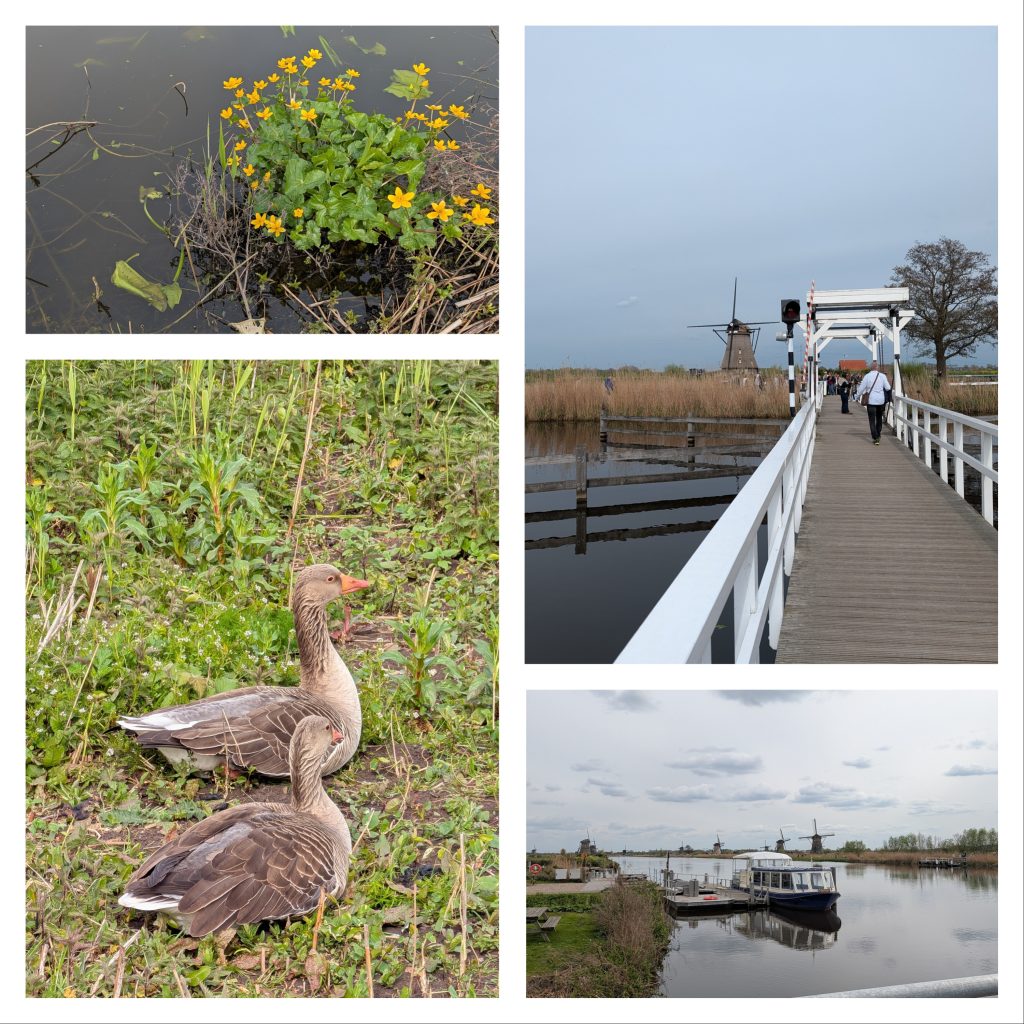
The history behind them is not abstract. From the 13th century, as drained soil settled and river levels rose, the village dug canals to manage the creeping threat. Then came 1421 and the Saint Elizabeth Flood — a catastrophe that swallowed multiple Dutch villages and killed thousands, nearly erasing Kinderdijk from the map entirely. The windmills that followed, built three centuries later, were those solutions made permanent and physical.
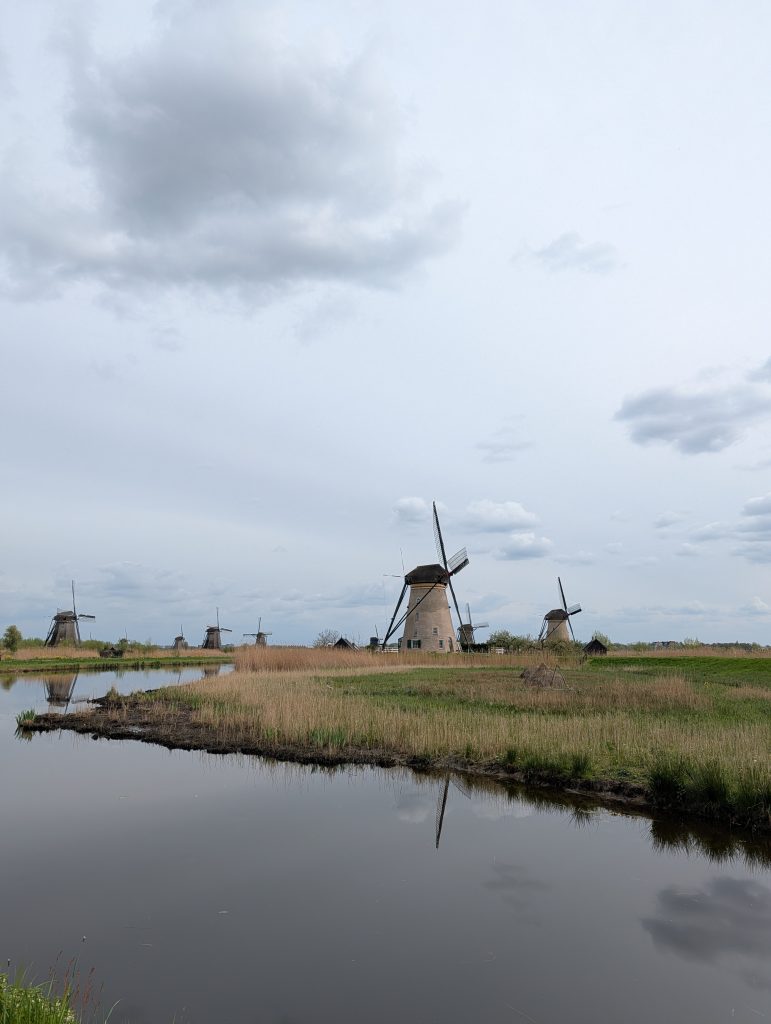
The interior of a working windmill does not match its exterior at all. Outside, all elegance and proportion. Inside, a series of steep, narrow stairwells connecting floors that reveal themselves one at a time, the geometry shifting with each turn — recalling an Escher etching in the most visceral sense. It is genuinely surprising, the kind of spatial experience that photographs cannot prepare you for. The mill is not merely a machine. It is a dwelling, and understanding that changes how you look at the landscape on the way out.
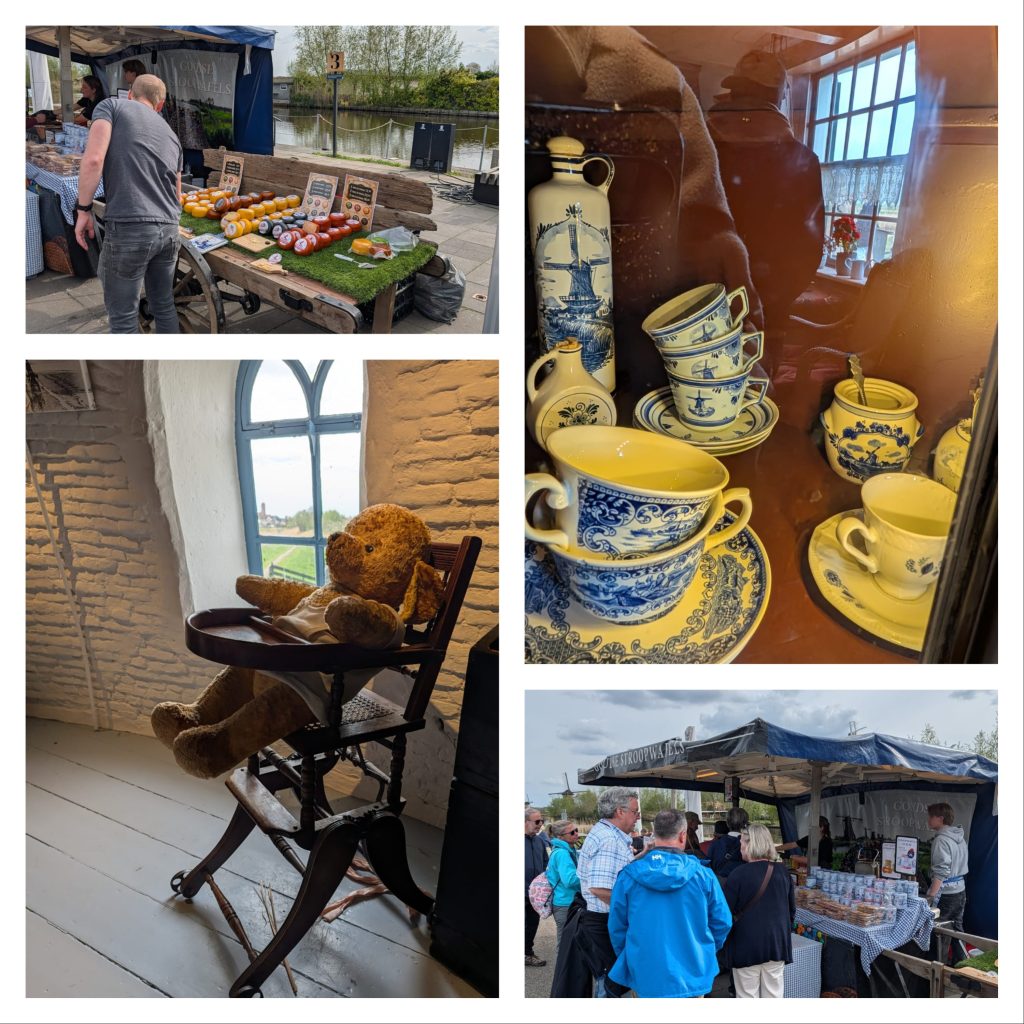
What distinguishes Kinderdijk from other heritage sites is that the story has no tidy conclusion. The Dutch relationship with water — the ongoing, generational negotiation between a country and the forces that would reclaim it — is not history. It is infrastructure. It is policy. It is daily life. Leaving Kinderdijk, the polders stretch out again on either side of the road. The windmills disappear behind the reeds. And the land, reclaimed and held in place by centuries of ingenuity, carries on.
WHERE BRILLIANCE MEETS HISTORY
Antwerp’s DIVA — the Museum of Jewelry, Silver, and Diamonds — sits within easy walking distance of The Debussy’s dock, which is the kind of sentence that makes river cruising difficult to argue against.
The morning the group arrived was grey and theatrical, the mist low over Antwerp’s historic rooftops — the kind of atmosphere that makes a city feel as though it is performing for you. Inside, the contrast was immediate and complete. Outside, grey light and cobblestones. Inside, millions of euros in diamonds, lit with the precision of a jeweler’s loupe.
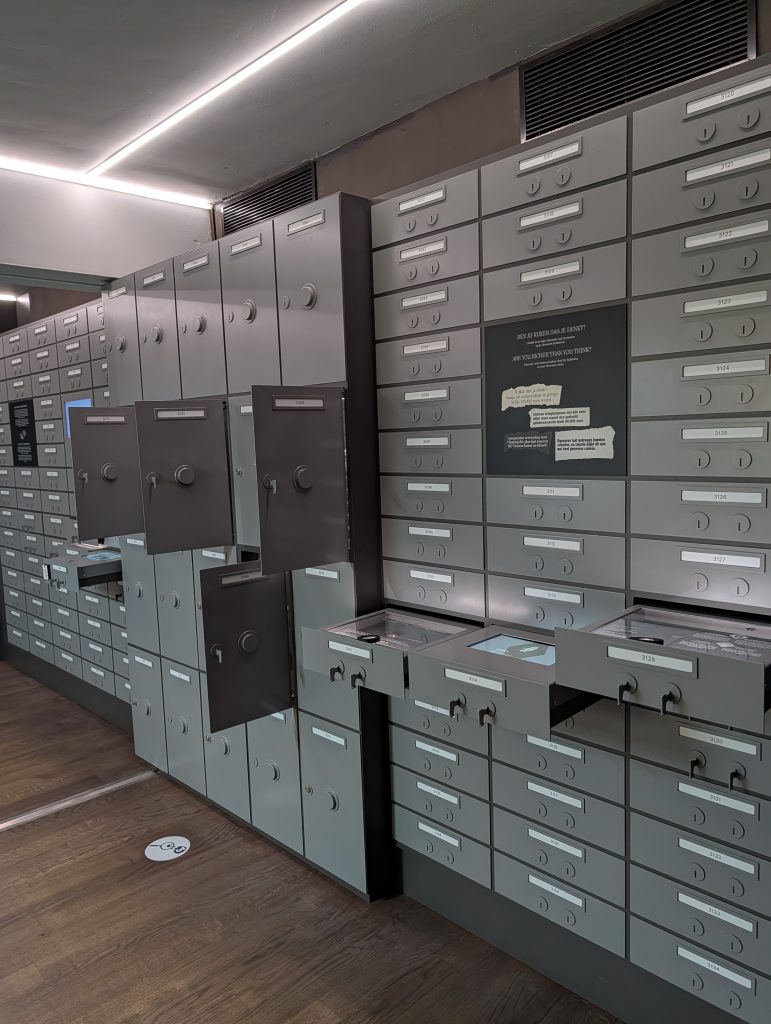
Antwerp has always known how to keep a secret. For more than 575 years, the city has sat at the centre of the global diamond trade — not loudly, not boastfully, but with the kind of deep institutional knowledge that does not require an audience. DIVA is where that knowledge is finally laid bare. Its permanent exhibition, A Brilliant Story, moves visitors through the complete arc of a diamond’s existence — from raw extraction to finished object — spanning the 15th century to the present and assembling 650 diamonds, pieces of jewelry, and silver objects, each carrying the weight of human ambition, devotion, and artistry accumulated across half a millennium.
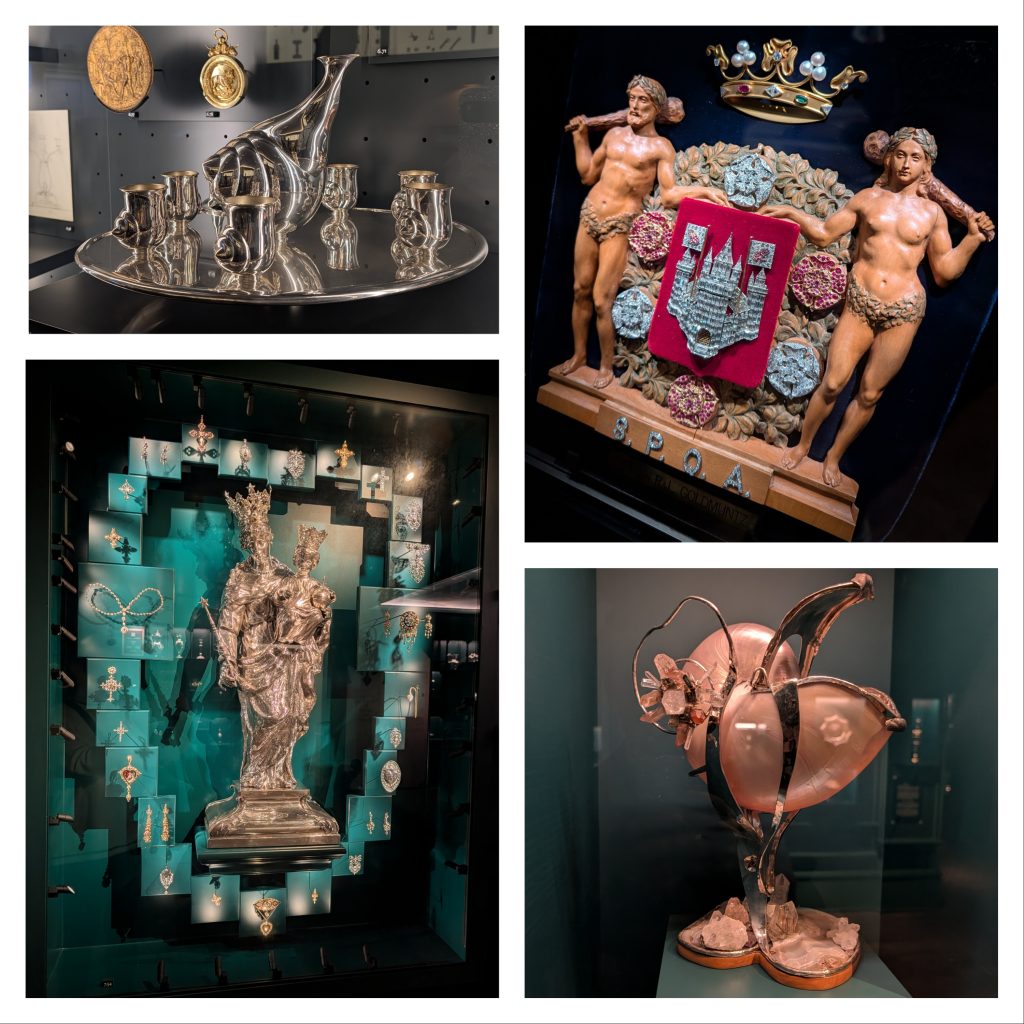
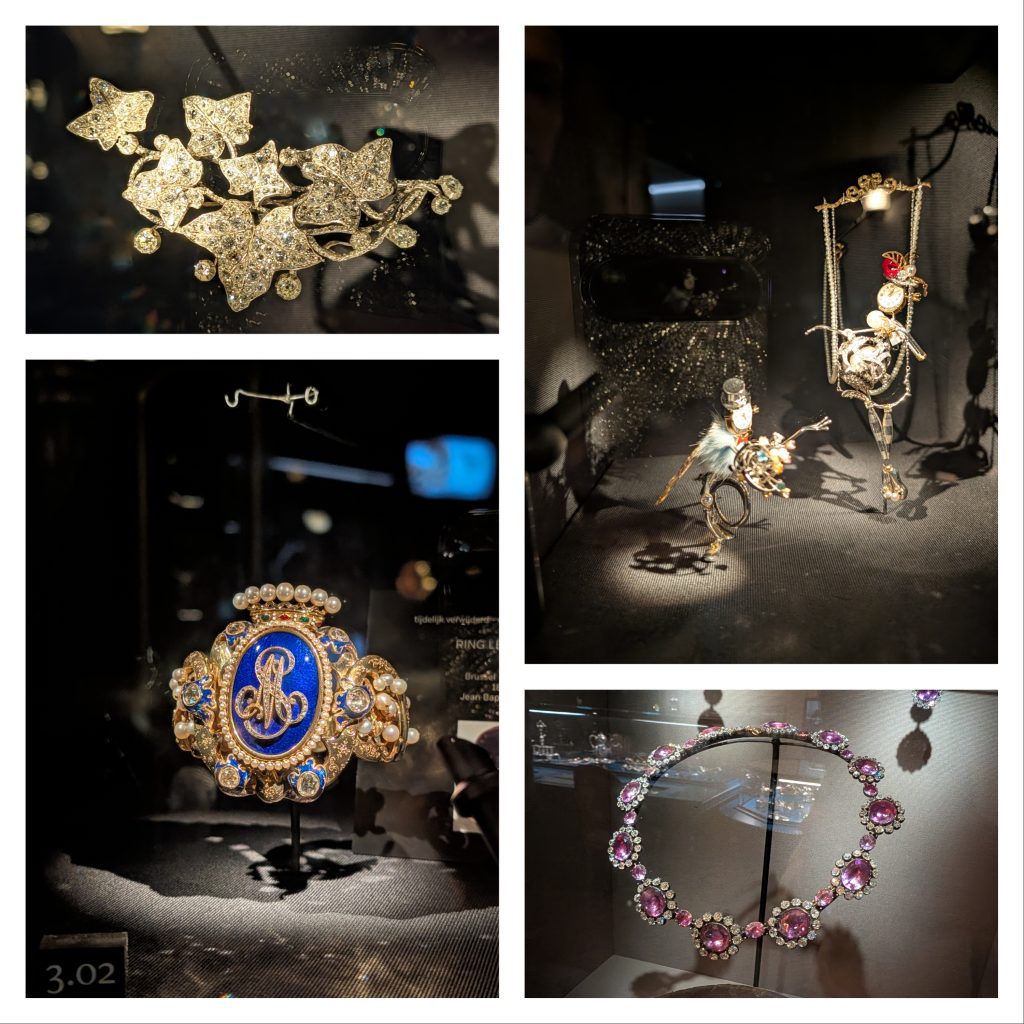
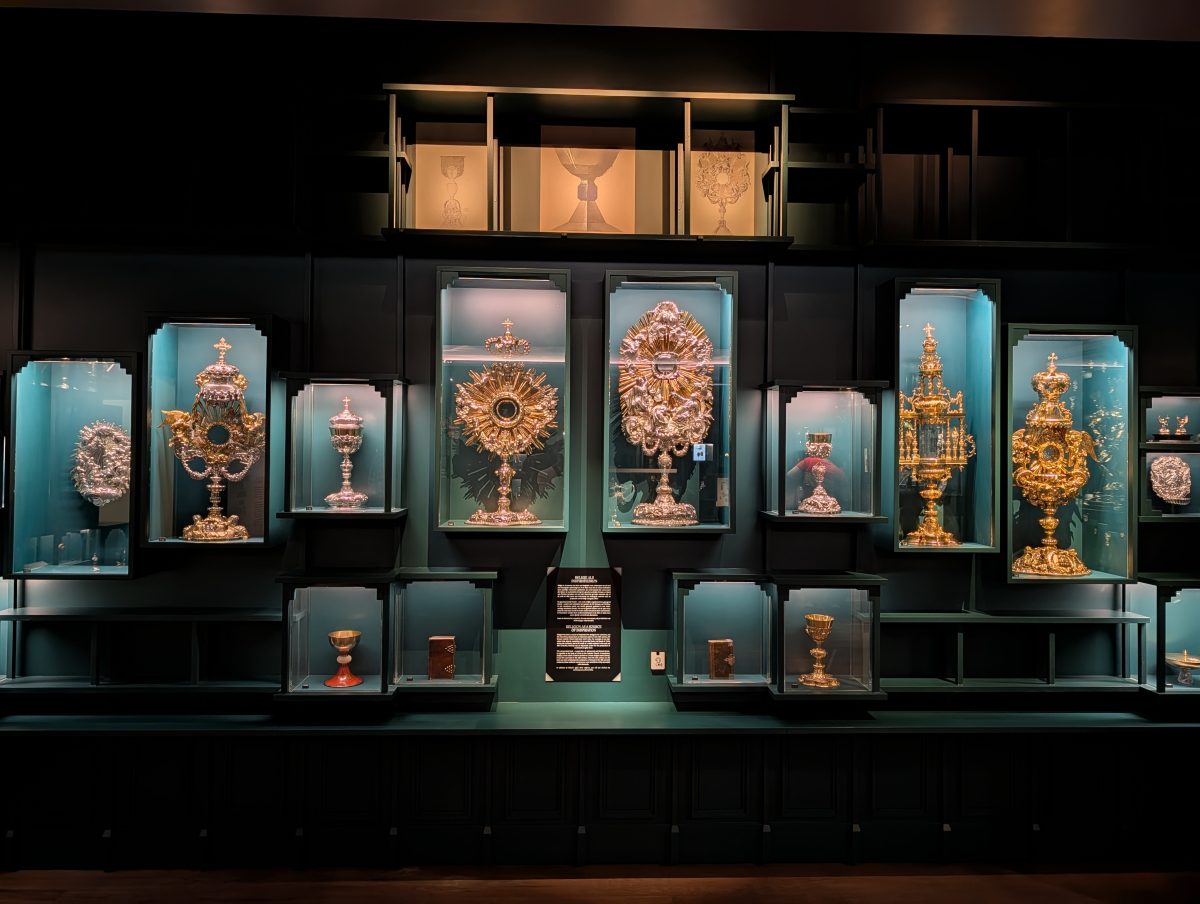
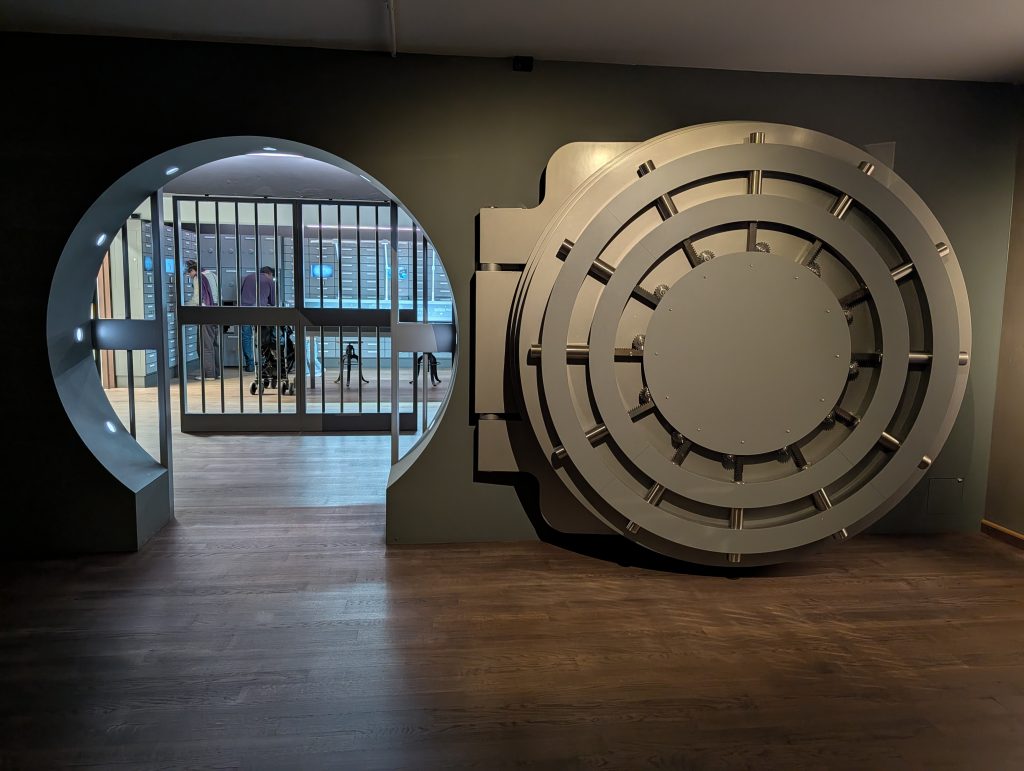
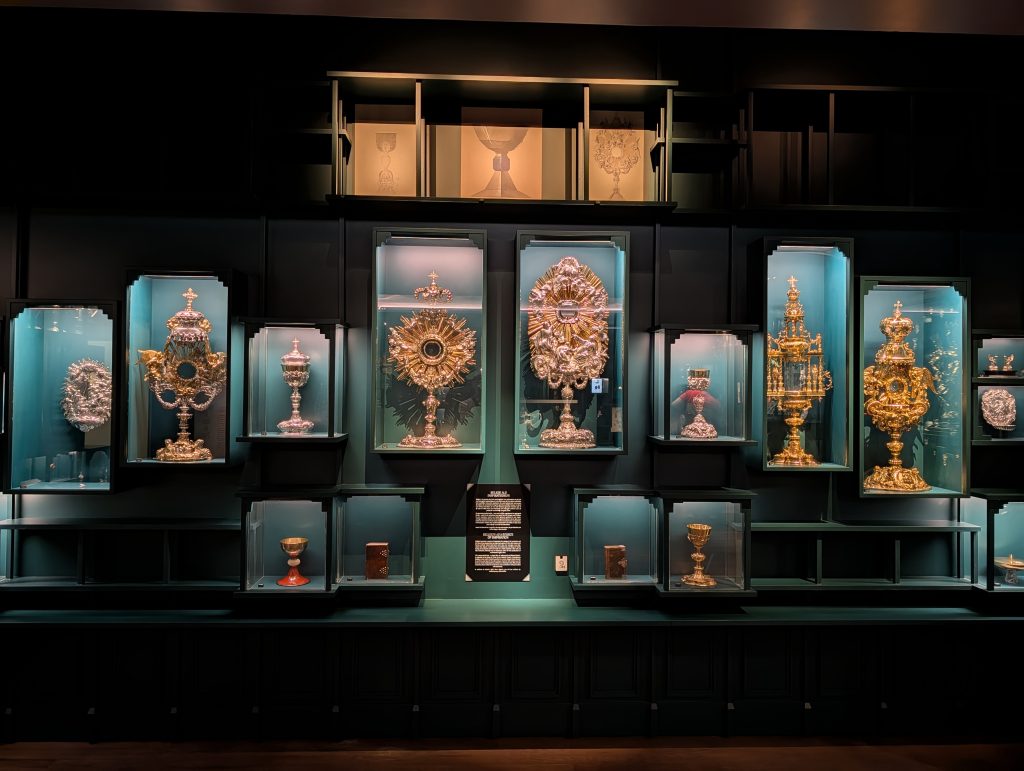
The Vault is the museum’s most atmospheric space. Dramatically staged, it positions the diamond not merely as a gemstone but as a protagonist — in trade, in power, in the deeply personal moments that humans have always marked with the most extraordinary materials available. The room feels less like an exhibition and more like being admitted into a long-kept confidence. Gilded ecclesiastical objects glow from teal-lined niches. Rose quartz sculptures emerge from shadow. A monumental vault door stands open, its intricate mechanism fully exposed — an invitation rather than a barrier.
DIVA does not simply display beauty. It makes a case for why beauty, in its most concentrated form, has always been worth the trouble.
THE MATH IS SIMPLE
Three excursions. Three entirely different registers of experience — the transient and sensory at Keukenhof, the monumental and elemental at Kinderdijk, the refined and historical at DIVA. None of them required a rental car, a currency exchange, a hotel check-out, or a navigation app deployed in a language you do not speak. The ship handled the positioning. You handled the experience.
That is the proposition The Debussy makes, and it is a persuasive one. The hyacinth fragrance that arrives before you are ready for it. The windmill stairwell that is steeper than expected. The diamond vault that makes you reckon, briefly but genuinely, with why humans have always reached for extraordinary things.
The rest of it — the logistics, the transfers, the endless minor decisions that accumulate into exhaustion — the ship has already sorted. You just have to show up and let Riverside Luxury Cruises take it from there.
Author Profile

- Helen Siwak is the founder of EcoLuxLuv Communications & Marketing Inc and publisher of Folio.YVR Luxury Lifestyle Magazine and PORTFOLIOY.YVR Business & Entrepreneurs Magazine. She is a prolific content creator, consultant, and marketing and media strategist within the ecoluxury and luxury lifestyle niches. Helen is the west coast correspondent to Canada’s top-read business magazine Retail-Insider, holds a vast freelance portfolio, and is an EIC for Hire. Connect with her here: [email protected].
Latest entries
 FoF ☆ Arts & CultureOctober 13, 2026From a Business Card to a Seven-Year Partnership: Michael Kenna and Kostuik Gallery
 FoF ☆ Culinary, Wine, SpiritsOctober 13, 2026Canada’s Great Kitchen Party Celebrates 20 Years With a Vancouver All-Star Invitational
 FoF ☆ Charity & PhilanthropyOctober 12, 2026Dinners Are Sold Out, But Vancouver Entertains Is Just Getting Started
 ☆ Issue #43 - September 2026October 10, 2026The Stylist Who Is Ready to Talk: Michelle Addison Goes Independent